Ocean Animals Tracing Book: A Strategic Tool for Early Learning and Creative Development
The Ocean Animals Tracing Book is more than just a coloring and tracing activity. It’s a practical resource designed to support early childhood education, offering structured exercises that help young learners develop essential skills. For educators, parents, and creators looking to enhance learning experiences, this book provides a unique opportunity to integrate fun, educational content into daily routines. Its digital format makes it accessible, versatile, and easy to incorporate into various teaching or creative strategies.
What Is the Ocean Animals Tracing Book?
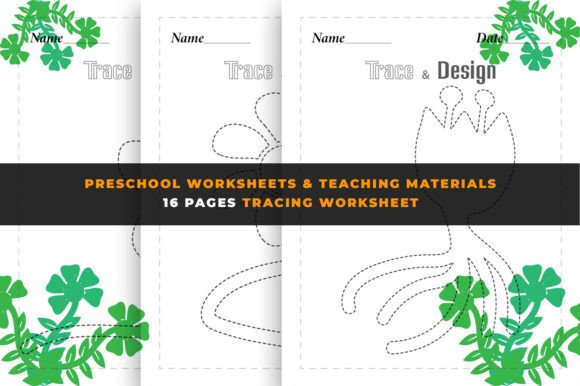
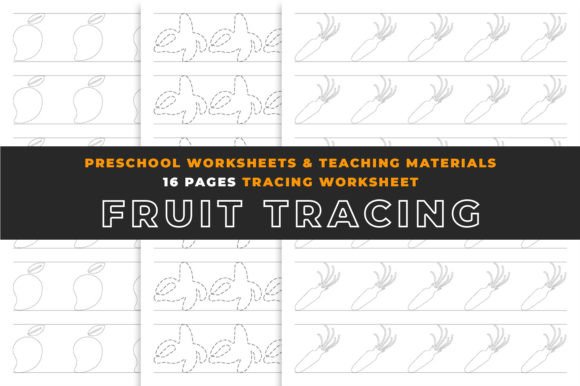
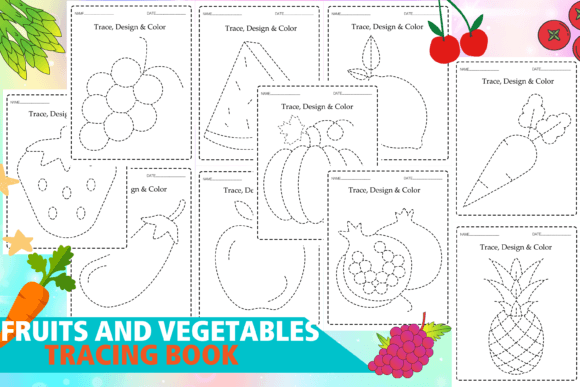
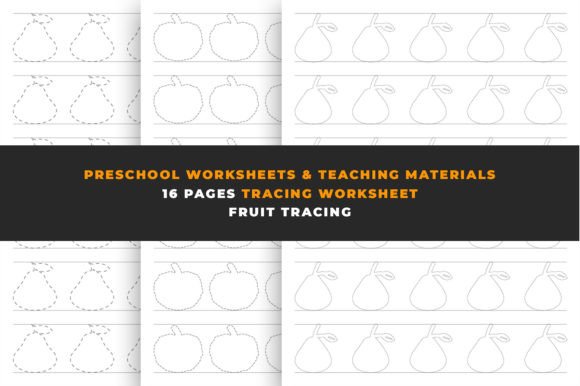
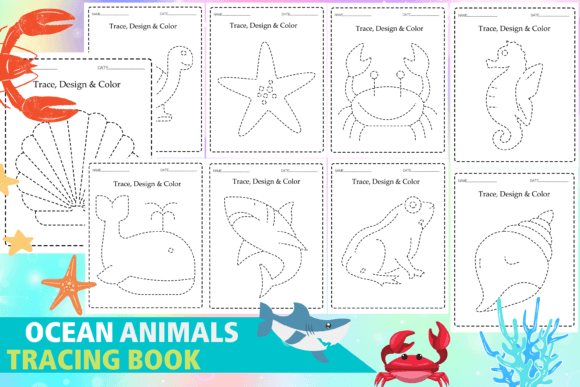
The Ocean Animals Tracing Book is a collection of 15 high-quality, 8.5x11-inch images featuring popular sea creatures such as sharks, whales, crabs, and more. Each page is designed with thick black lines, making it ideal for tracing, coloring, and handwriting practice. The book includes a variety of activities that focus on pen control, shape recognition, and fine motor skills—key components of early childhood development.
As a digital download, this resource eliminates the need for physical shipping, allowing users to access and print materials instantly. This convenience makes it an excellent choice for teachers, homeschoolers, and creative professionals who want to provide engaging content without logistical barriers.
Strategic Value of the Ocean Animals Tracing Book
When used intentionally, the Ocean Animals Tracing Book can serve as a valuable tool in multiple areas of learning and development. Its structured approach supports goal-oriented learning, helping children build confidence and independence through repeated practice. For educators, it offers a ready-made solution for morning work, fast finishers, or distance learning activities.
From a strategic perspective, the book aligns with broader educational goals by promoting creativity, critical thinking, and engagement. It also supports long-term learning outcomes by reinforcing foundational skills that are essential for future academic success. Whether used in a classroom setting or at home, the Ocean Animals Tracing Book provides a consistent and effective way to introduce young learners to the world of ocean animals while building essential skills.
How to Use the Ocean Animals Tracing Book Effectively
To maximize the benefits of the Ocean Animals Tracing Book, it’s important to approach its use with clear objectives in mind. Here are some practical strategies for integrating it into your teaching or creative workflow:
- Structured Learning Plans: Incorporate the book into daily or weekly lesson plans to ensure consistent skill development. Use specific pages to target areas like letter formation, shape recognition, or cursive writing.
- Customized Activities: Modify the provided worksheets to suit individual learning styles or developmental needs. For example, add prompts or questions to encourage deeper engagement with the material.
- Interactive Learning: Pair the book with hands-on activities, such as nature walks, art projects, or storytelling sessions, to create a more immersive learning experience.
- Parental Involvement: Encourage parents to use the book as a supplement to classroom learning. Provide guidance on how to support their child’s progress at home.
By planning ahead and aligning the book’s content with specific learning goals, educators and parents can ensure that it contributes meaningfully to a child’s growth and development.
When to Use the Ocean Animals Tracing Book
The Ocean Animals Tracing Book is most effective when used in contexts where structure, repetition, and engagement are key. Consider using it during:
- Back-to-School Activities: Help students transition back into learning with fun, familiar exercises that reinforce basic skills.
- Morning Work: Start the day with a quick, focused activity that promotes concentration and hand-eye coordination.
- Distance Learning: Provide students with printable resources that they can complete independently, ensuring continuity of learning.
- Summer Learning: Keep children engaged during the summer months with low-pressure, enjoyable activities that prevent learning loss.
Its flexibility allows it to be used in a variety of settings, making it a valuable addition to any educator’s toolkit or a helpful resource for families.
Key Considerations Before Relying on the Ocean Animals Tracing Book
While the Ocean Animals Tracing Book offers many benefits, it’s important to use it thoughtfully rather than as a one-size-fits-all solution. Before incorporating it into your strategy, consider the following:
- Age Appropriateness: Ensure that the activities match the developmental stage of the children using them. Some pages may be too advanced or too simple for certain age groups.
- Learning Objectives: Define what you hope to achieve with each activity. Are you focusing on handwriting, creativity, or knowledge of ocean animals? Clear goals will help you measure progress and adjust as needed.
- Supplemental Use: Use the book as part of a broader curriculum rather than a standalone resource. Combine it with other tools, such as books, videos, or interactive games, to create a well-rounded learning experience.
- Feedback and Assessment: Regularly review the work completed by students to identify areas of strength and opportunities for improvement. This helps you tailor future activities to better meet their needs.
By taking these factors into account, you can ensure that the Ocean Animals Tracing Book is used in a way that maximizes its potential and supports meaningful learning outcomes.
Potential Risks of Using the Ocean Animals Tracing Book Without Clear Goals
Without a clear plan, the Ocean Animals Tracing Book may not deliver the intended results. Overuse or lack of direction can lead to boredom, disengagement, or minimal skill development. For example, if the book is used randomly without a purpose, children may lose interest quickly, and the activities may not contribute to long-term learning goals.
Additionally, relying solely on tracing exercises without incorporating other forms of learning may limit a child’s ability to apply their skills in real-world situations. It’s important to balance structured practice with creative exploration and independent problem-solving to foster well-rounded development.
Intentional Use for Long-Term Results
To get the most out of the Ocean Animals Tracing Book, approach its use with intention and purpose. Think about how it fits into your broader educational or creative strategy. Are you using it to build foundational skills, spark creativity, or support a specific curriculum? By answering these questions, you can ensure that each activity contributes to a larger goal.
Consider creating a usage schedule or tracking system to monitor progress over time. This can help you see how the book is impacting learning outcomes and make adjustments as needed. Whether you’re an educator, parent, or creator, intentional use of the Ocean Animals Tracing Book can lead to more meaningful and lasting results.