Flower Picture Tracing Book: A Practical Tool for Early Learning and Creative Development
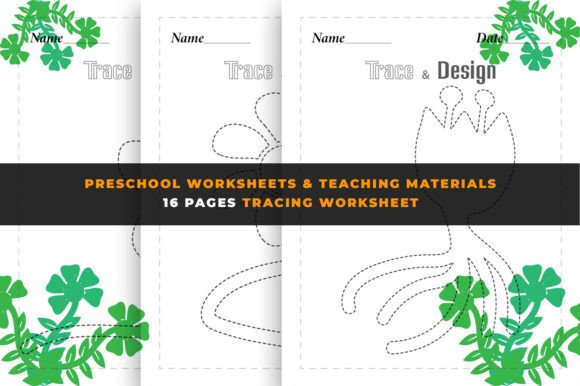
The Flower Picture Tracing Book is a versatile resource designed to support early childhood education through engaging, hands-on activities. This set includes a variety of flower-themed tracing exercises that help young learners develop fine motor skills, improve pencil control, and build foundational drawing abilities. With 16 pages of high-quality PDFs, JPGs, and PNGs, this activity book offers a flexible solution for educators, parents, and caregivers looking to incorporate structured learning into daily routines.
Understanding the Role of the Flower Picture Tracing Book in Early Education
The Flower Picture Tracing Book fits seamlessly into the broader process of early childhood development. It serves as a valuable tool for introducing preschoolers to the fundamentals of writing, coloring, and shape recognition. By focusing on flowers, the book taps into a natural interest that many children have, making the learning experience both enjoyable and effective.
This resource can be used at various stages of a child's educational journey. Before formal schooling begins, it helps prepare young learners for classroom tasks by building confidence with basic strokes and hand-eye coordination. During school or home-based learning, it provides a structured activity that reinforces concepts taught in class. After completing a project or task, it can serve as a creative outlet for reinforcing what has been learned through practice and repetition.
Integrating the Flower Picture Tracing Book into Daily Workflows
For educators and parents, integrating the Flower Picture Tracing Book into daily workflows requires thoughtful planning. The book’s design allows for easy incorporation into morning work, homework assignments, or as a fast finisher activity for students who complete their tasks early. Its ready-to-print format ensures that it can be used immediately without additional setup or preparation.
One practical approach is to use the book as part of a morning routine. Teachers can distribute the worksheets at the start of the day, allowing students to engage in focused, independent work while settling into the school environment. For homeschooling families, the book can be scheduled as a regular activity during the learning block, helping to maintain consistency and structure.
Another useful application is as a supplement to other learning tools. The Flower Picture Tracing Book works well alongside cursive writing notebooks, letter and number tracing sheets, and other developmental resources. By combining these materials, educators and parents can create a comprehensive learning plan that addresses multiple areas of growth, including pen control, shape recognition, and artistic expression.
Workflow Examples and Practical Implementation Tips
Consider the following workflow example for using the Flower Picture Tracing Book in a classroom setting:
- Preparation: Print the desired pages and organize them in a binder or folder for easy access.
- Introduction: Introduce the concept of tracing and coloring with a brief discussion about flowers and their characteristics.
- Execution: Allow students to work independently or in small groups, providing guidance as needed.
- Review: Encourage students to share their completed pages, discussing what they learned and how they feel about their progress.
For individual use at home, the same steps can be adapted to fit a family’s schedule. Parents can set aside a specific time each day for the activity, ensuring that it becomes a regular part of the child’s routine. This consistency helps reinforce learning and builds a sense of accomplishment over time.
When using the Flower Picture Tracing Book, it’s important to consider factors such as usability and organization. Keeping the materials in a designated place, such as a learning station or a dedicated folder, helps prevent loss or misplacement. Additionally, varying the types of activities included in the book—such as lines, shapes, and simple drawings—can keep the learning experience fresh and engaging.
Enhancing Learning Through Integration with Other Resources
The Flower Picture Tracing Book interacts well with other educational tools and resources. For instance, it pairs effectively with cursive writing workbooks, offering a transition from basic strokes to more complex writing forms. It also complements food activities and other thematic lessons, allowing for a cohesive learning experience that connects different subjects.
By incorporating the Flower Picture Tracing Book into a larger curriculum, educators can ensure that students receive a well-rounded education that supports both cognitive and motor skill development. The book’s focus on flowers can also be extended into science lessons about plants, biology, and nature, creating interdisciplinary learning opportunities.
Additionally, the book’s compatibility with digital platforms makes it a flexible choice for modern learning environments. The availability of files in multiple formats—including PDF, JPG, and PNG—allows for easy sharing, printing, and use across different devices. This adaptability ensures that the resource remains accessible and functional in a variety of settings.
Long-Term Use and Quality Control
When considering long-term use, the Flower Picture Tracing Book offers durability and value. The high-quality images and clear lines make it suitable for repeated use, even if the pages are handled frequently. This makes it an ideal choice for classrooms, daycare centers, or homes with multiple children.
To maintain quality over time, it’s advisable to store the printed materials in a safe location, away from moisture and direct sunlight. Using protective sleeves or folders can further extend the lifespan of the pages. Regularly reviewing and updating the activities can also help keep the content relevant and aligned with the child’s developmental needs.
From a practical standpoint, the Flower Picture Tracing Book is an excellent addition to any early learning toolkit. Its combination of creativity, structure, and educational value makes it a valuable resource for both teachers and parents. By understanding its role in the learning process and implementing it effectively, users can help young learners develop essential skills in a fun and engaging way.