Fruits and Vegetables Tracing Book: A Strategic Tool for Early Learning and Development
The Fruits and Vegetables Tracing Book is more than just a coloring or tracing activity. It’s a practical resource designed to support early childhood education, offering structured learning opportunities that align with developmental goals. For educators, parents, and creators looking to build engaging content, this book provides a foundation for teaching essential skills such as fine motor control, letter recognition, and shape identification. Its versatility makes it an ideal tool for integrating into lesson plans, home activities, or creative projects.
Why the Fruits and Vegetables Tracing Book Matters in Early Education
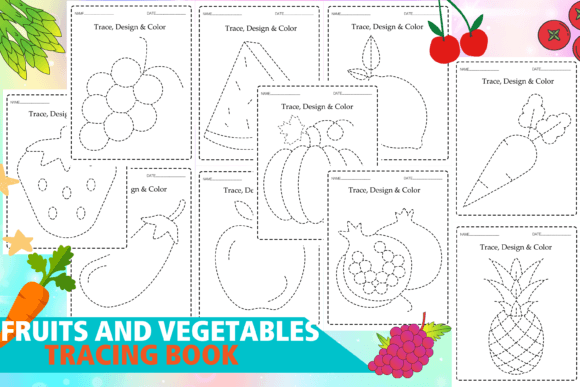
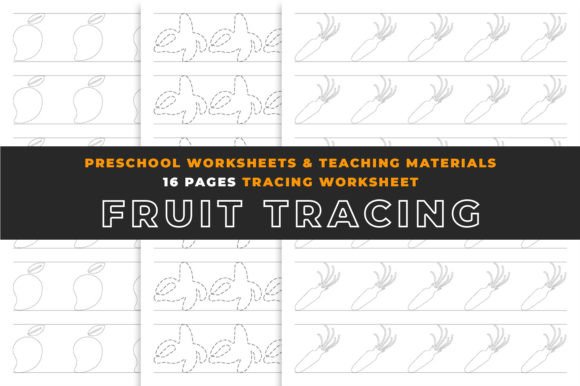
For preschoolers, the transition from play-based learning to structured academic activities can be challenging. The Fruits and Vegetables Tracing Book helps ease this shift by providing a fun, interactive way to develop foundational skills. Each page features familiar fruits and vegetables like apples, bananas, and lemons, making it easy for children to connect with the material. This connection enhances engagement and supports long-term retention of concepts.
From a strategic perspective, the book serves as a low-risk, high-impact resource. It allows educators to introduce complex ideas—such as cursive writing or shape recognition—in a way that feels accessible and enjoyable. By using the Fruits and Vegetables Tracing Book, teachers can create a consistent learning environment that reinforces key developmental milestones without overwhelming young learners.
Strategic Use Cases for the Fruits and Vegetables Tracing Book
The Fruits and Vegetables Tracing Book is most effective when used intentionally. Here are several scenarios where it can provide significant value:
- Back-to-School Activities: As students return to the classroom, the book can serve as a welcome tool to reinforce basic skills. Teachers can use it during morning work or as part of a first-day-of-school routine to establish expectations and build confidence.
- Homework and Independent Practice: Parents can incorporate the book into at-home learning routines. Its ready-to-print format makes it easy to assign as homework, helping students practice handwriting and color recognition outside the classroom.
- Fast Finishers: For students who complete tasks quickly, the book offers an additional challenge. It keeps them engaged while allowing teachers to focus on other students without disruption.
- Food-Themed Lessons: The book fits naturally into units focused on nutrition, healthy eating, or science. It can be used to teach about plant life cycles, food groups, or seasonal changes, creating interdisciplinary learning opportunities.
When planning how to use the Fruits and Vegetables Tracing Book, consider the age and skill level of your audience. Younger children may benefit from tracing lines and shapes, while older preschoolers can progress to more complex exercises like cursive writing or letter formation. Tailoring the content to individual needs ensures that the book remains a valuable resource over time.
Planning and Positioning for Maximum Impact
To get the most out of the Fruits and Vegetables Tracing Book, it's important to approach its use with clear goals in mind. Before incorporating it into your curriculum or project, ask yourself: What skills do I want to develop? How will this tool support my overall educational strategy? Answering these questions helps ensure that the book is not just another activity, but a meaningful component of a larger plan.
Consider the following planning tips:
- Align with Learning Objectives: Identify which standards or outcomes you want to address. For example, if the goal is to improve pen control, focus on pages that emphasize line tracing and shape drawing.
- Integrate with Other Resources: Combine the book with hands-on activities, such as sorting real fruits or drawing pictures. This creates a multi-sensory learning experience that reinforces concepts through different modalities.
- Track Progress: Use the book as a formative assessment tool. Monitor how students interact with the pages over time to identify areas where they need additional support or encouragement.
Positioning the Fruits and Vegetables Tracing Book as part of a broader educational toolkit also strengthens its value. When used alongside other materials—such as flashcards, storybooks, or digital apps—it becomes a versatile asset that supports multiple learning styles and goals.
Long-Term Value and Strategic Benefits
The Fruits and Vegetables Tracing Book is not just a short-term solution; it offers long-term benefits that extend beyond early childhood education. By building a strong foundation in handwriting, shape recognition, and cognitive development, it sets the stage for future academic success. These skills are critical for reading, writing, and problem-solving, all of which are essential for lifelong learning.
From a business or content creation perspective, the book can also be a strategic asset. Educators and creators can use it as part of a product line, offering downloadable worksheets or printable resources. This approach allows for scalability, as the same content can be repurposed for different audiences or platforms.
Additionally, the book supports branding efforts by reinforcing a commitment to quality, creativity, and educational value. Whether you're a teacher developing lesson plans or a publisher creating learning materials, the Fruits and Vegetables Tracing Book can help position your work as reliable and effective.
Risks of Using the Fruits and Vegetables Tracing Book Without Clear Goals
While the Fruits and Vegetables Tracing Book has many advantages, it can lose its effectiveness if used without purpose. Randomly assigning pages without a clear objective may lead to disengagement, frustration, or missed learning opportunities. Students might see the book as just another worksheet rather than a meaningful tool for growth.
Another risk is over-reliance on the book without considering individual differences. Not all children learn at the same pace or respond to the same types of activities. If the book is used as a one-size-fits-all solution, it may fail to meet the needs of diverse learners. To avoid this, educators should assess each student's strengths and challenges before deciding how to incorporate the book into their routine.
Finally, neglecting to update or rotate activities can reduce the book’s impact over time. Repetition without variation may cause students to lose interest. To maintain engagement, consider mixing the book with other resources or introducing new themes periodically.
Conclusion: Intentional Use for Better Outcomes
The Fruits and Vegetables Tracing Book is a powerful tool when used with intention and clarity. It supports early learning, enhances creativity, and offers practical benefits for both educators and students. By understanding its strategic value and applying it thoughtfully, users can achieve better results and create more meaningful learning experiences.
Whether you're planning a back-to-school activity, designing a curriculum, or developing educational content, the Fruits and Vegetables Tracing Book can be a valuable addition to your toolkit. With the right approach, it can help you make smarter decisions, improve outcomes, and foster a love of learning in young minds.