Cursive Handwriting Practice
Cursive handwriting practice is more than just a skill—it's a foundation for cognitive development and academic success. For parents, educators, and anyone involved in early childhood learning, introducing cursive writing through engaging tools like coloring pages can make a significant difference. These resources combine creativity with education, offering a fun and effective way to build essential writing skills in young learners.
Why Cursive Handwriting Matters
While digital communication dominates modern life, the ability to write in cursive remains an important educational milestone. It helps children develop fine motor skills, hand-eye coordination, and concentration. Cursive writing also encourages a deeper connection with the written word, as the flowing style requires more mental engagement than printing. This makes it a valuable tool for improving literacy and comprehension in young students.
For educators and parents, cursive handwriting practice provides a structured approach to teaching writing. It supports the transition from basic letter recognition to more complex sentence formation, preparing children for higher-level reading and writing tasks. When practiced consistently, it can enhance a child’s confidence and independence in schoolwork and daily activities.
How Coloring Pages Enhance Learning
Coloring pages designed for cursive handwriting practice offer a unique blend of creativity and skill-building. These pages are not just about coloring—they’re about tracing, practicing, and mastering the flow of letters. By incorporating colorful illustrations and engaging themes, they make the learning process enjoyable, reducing the monotony often associated with traditional writing exercises.
The use of high-quality images and well-designed layouts ensures that children stay engaged and motivated. Each page serves as a stepping stone, helping them build muscle memory and improve their overall pen control. This is especially beneficial for preschoolers and kindergarten students who are just beginning to explore writing.
Features of the Cursive Handwriting Practice Workbook
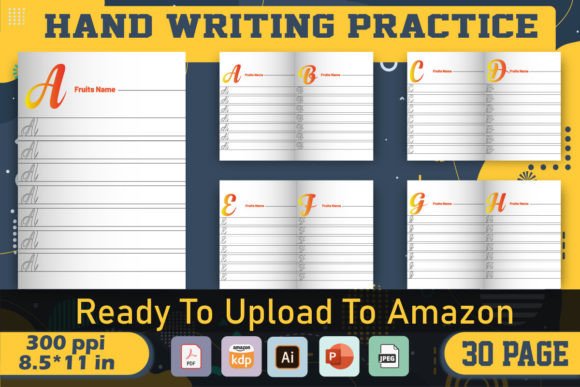
This cursive handwriting practice workbook includes 30 high-quality pages, each tailored to reinforce key concepts. The PDF format allows for easy printing, making it a convenient resource for both home and classroom use. With a standard size of 8.5×11 inches, the pages are ideal for regular practice sessions without being too large or cumbersome.
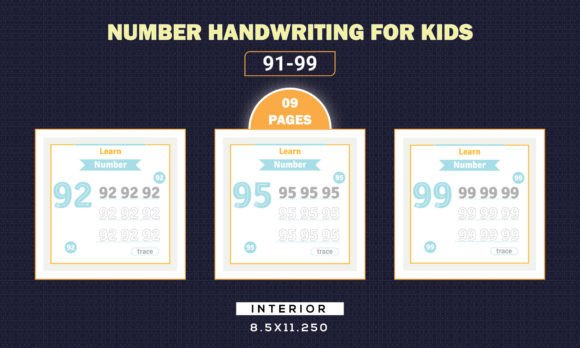
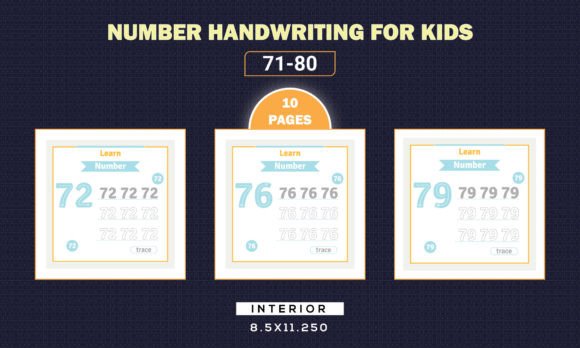
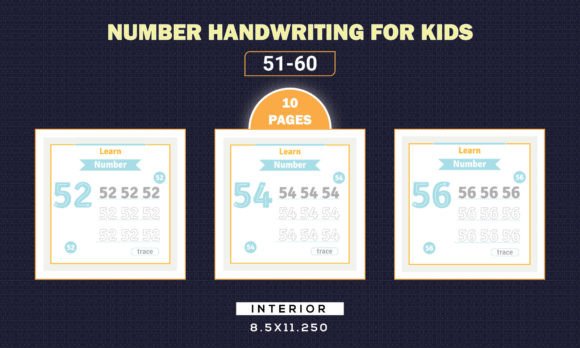
The workbook includes tracing letters and numbers, making it suitable for children in the Pre-K to Kindergarten range. It also introduces cursive writing in a gradual and structured way, ensuring that learners build confidence at their own pace. The inclusion of both letters and numbers helps support a well-rounded approach to early literacy.
Benefits for Parents and Educators
For parents, this workbook offers a practical solution to supplement their child’s education. It provides a hands-on activity that can be used during quiet time, after-school hours, or as part of a homeschooling curriculum. Its ready-to-print format saves time and effort, allowing parents to focus on other responsibilities while still supporting their child’s learning.
Teachers can also benefit from this resource by incorporating it into classroom activities. It can be used as a morning warm-up, a station activity, or a take-home assignment. The variety of pages ensures that students remain interested and engaged, which is crucial for maintaining attention and maximizing learning outcomes.
Supporting Creativity and Cognitive Growth
Beyond technical skills, cursive handwriting practice supports broader cognitive development. The act of forming letters in a flowing style requires focus, patience, and spatial awareness. These mental exercises help strengthen problem-solving abilities and improve overall brain function.
Additionally, the creative aspect of coloring pages fosters imagination and artistic expression. Children can personalize their work by choosing colors and adding details, which enhances their sense of ownership and pride in their progress. This combination of creativity and structure makes the learning experience more meaningful and rewarding.
Who Can Benefit Most?
This workbook is particularly beneficial for toddlers and young children who are just starting to learn how to write. It provides a gentle introduction to cursive, making it accessible for those who may find traditional writing exercises challenging. Its simple design and clear instructions ensure that even beginners can participate and progress effectively.
Parents and educators looking for a cost-effective and versatile learning tool will also find value in this resource. Whether used as a standalone activity or integrated into a larger curriculum, it offers flexibility and adaptability. Its availability in multiple file formats, including AI, EPS, PDF, JPG, and PPT, makes it easy to customize and share across different platforms.
Considerations and Best Practices
While this workbook is an excellent resource, it’s important to consider individual learning styles and needs. Some children may require additional support or alternative methods to develop their writing skills. In such cases, combining this workbook with other activities, such as finger painting or interactive apps, can provide a more comprehensive approach.
Consistency is key when it comes to handwriting practice. Encouraging regular sessions, even for short periods, can lead to noticeable improvements over time. Parents and teachers should also provide positive reinforcement, celebrating small victories to keep children motivated and engaged.
Conclusion: A Valuable Tool for Early Learning
Cursive handwriting practice is a powerful tool that supports both academic and developmental growth. By integrating coloring pages into the learning process, children can develop essential writing skills in a fun and engaging way. This workbook offers a practical, high-quality solution for parents and educators seeking to enhance their child’s learning experience.
Whether used at home or in the classroom, it provides a structured yet flexible approach to early literacy. With its wide range of features and user-friendly design, it’s a valuable addition to any educational toolkit. For those looking to support their child’s writing journey, this resource offers a meaningful and effective path forward.